

Program Value, Delivered.
From preclinical proof of concept to large-scale IND-enabling safety studies, we provide actionable data.
Research Solutions
Biomedical funding realignments have demanded capital efficient paths to clinical data.
As scientists, our aim is to guide you through the design and execution of preclinical studies that will drive value to your program. As a development partner, our responsibility is to help you efficiently allocate capital to drive stakeholder return - the patients in need, and the investors supporting your vision and strategy to bring treatments to market.
To inform investment decision making, we have established a no-risk engagement model where we design studies and furnish budgets at no-cost to you, allowing for accurate project planning.
For efficient and cost effective scientific execution we combine preclinical and clinical therapeutic area expertise with advanced nonhuman primate (NHP) translational R&D capabilities, and tightly integrated histopathology and molecular research cores. This provides turn-key scientific engagement, study execution, sample processing, data analysis, and study reporting.
This “platform” approach is underpinned by our unique, cost-effective access to nonhuman primates that conveys significant time and cost savings to achieve data delivery and improve development outcomes.
Compliance
Virscio maintains an acclaimed animal program consistently meeting the highest AAALAC and OLAW standards and aligned to USDA and European animal welfare regulatory guidance. Virscio operates under FDA good laboratory practice (GLP) and supports preclinical studies conducted for regulatory submission in compliance with OECD GLPs.
From Strategy to Execution
Align your preclinical strategy, study execution, and endpoint analysis with the decisions that move development forward.

NHP Research Services
Our mission is to bring clarity and confidence to R&D investment decisions through an efficient request for proposal process and delivery of high value, clinically relevant models and preclinical services.
Virscio drives accurate characterization of human risk and response to intervention to speed candidate selection and improve clinical success. Subject selection, model optimization and well characterized quantitative endpoints further allow reduction and refinement of animal use. Our integrated in vivo, histopathology, and molecular research cores combined with unparalleled, ready access to a biologically clean primate population permits screening and recruitment of treatment naïve or non-naïve animals of preferred age range (neonate to geriatric), sex, weight and number, guided by specific research objectives.
We fully support critical development stages, spanning in silico homology diligence, preclinical strategy, protocol design, in-life study execution, sample processing, data analysis, study reporting and defining regulatory pathway, with a focus on in vivo primate efficacy and safety, pharmacokinetics, pharmacodynamics and delivery.
Preclinical Study Types
- Pharmacokinetics (PK)
- Pharmacodynamics (PD)
- Drug Delivery & Route of Aministration
- Safety Pharmacology
- GLP Toxicology (Acute & Chronic)
Therapeutic Area Expertise
- Central nervous system
- Ophthalmology
- Cardiovascular
- Metabolic
- Immunology
- Oncology
- Renal / Urinary
- Gastrointestinal
- Respiratory
- Aging
Modality Expertise
- Small molecules
- Monoclonal antibodies
- Antibody drug conjugates (ADCs)
- Antisense oligonucleotides (ASOs)
- RNA (RNAi, mRNA, etc.)
- Exosomes
- Liposomes
- Adeno-associated virus vectors (AAVs)
- Lentivirus vectors
- Cell therapies
- Vaccines
Routes of Administration
Systemic
-
Oral
-
Subcutaneous
-
Intramuscular
-
Intravenous
-
Transdermal
-
Nasal
Central Nervous System
-
Intraventricular
-
Intrathecal
-
Intraparenchymal
-
Subpial
Ophthalmic
-
Intravitreal
-
Subretinal
-
Intracameral
-
Topical
-
Punctal
Surgical Procedures
- Neurosurgical
- Ophthalmic
- Cardiac
- Renal
- Orthopedic
- Stereotaxic
- MRI-guided
- Telemetry
- Device implantation
Sample Collection
- Serum
- Plasma
- Whole blood
- PBMC
- Cerebrospinal fluid
- Urine
- Aqueous humor
- Vitreous humor
- Tissue biopsies
- Tissue dissociation for single cell RNA-Seq
- Tissue fixation
- Comprehensive tissue collection
NHP Disease Models
Virscio has established a range of nonhuman primate models that emulate human disease pathology to support efficacy evaluations of small molecules, biologics, gene and cell therapies, medical devices and delivery technologies.
All models must meet the following critical induction, characterization, and validation criteria before being employed in sponsor-funded screening studies:
- The clinically relevant disease pathology can be reproducibly induced within variability limits that allow candidate screening protocols of sufficient statistical power to permit discovery and development decisions.
- The induced disease pathology can be modulated by a clinical standard of care intervention and/or the therapeutic target is present in the induced disease phenotype and can be measured or inferred through validated, correlated endpoints.
- The disease pathophysiology can be induced and sustained with limited animal welfare impact.
Ophthalmology Models
- Wet age-related macular degeneration
- Retinal neovascularization
- Retinal epithelium and photoreceptor degeneration
- Glaucoma
- Uveitis
- Optic neuropathy
- Mitochondrial dysfunction
- Surgical inflammation
- Myopia
- Amblyopia
- Cataract
Central Nervous System Models
- Alzheimer’s disease
- Parkinson’s disease
- Stroke
- Spinal cord injury
- Schizophrenia
- Dystonia
- Behavior and cognition
Cardiovascular Models
- Hypertension
- Heart failure
- Chronotropic and inotropic effects
Metabolism Models
- Diet-induced obesity
- Hyperlipidemia
- Body composition
- Energy expenditure
Discover more about our modeling capabilities
Visit our science library to access resources describing Virscio’s translational research capabilities, including posters, model overviews, journal articles and more.
Digital Histopathology Services
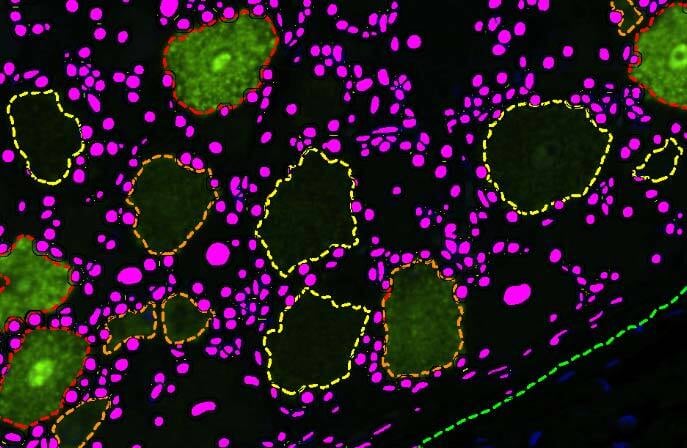
Virscio’s digital histopathology and histomolecular core fully supports all tissues types and species, ranging from mouse to nonhuman primate and human.
Quantitative assessment of critical safety and tissue pharmacodynamic endpoints are achieved through precision tissue processing, robust assay validation, image analysis, and integration of orthogonal data.
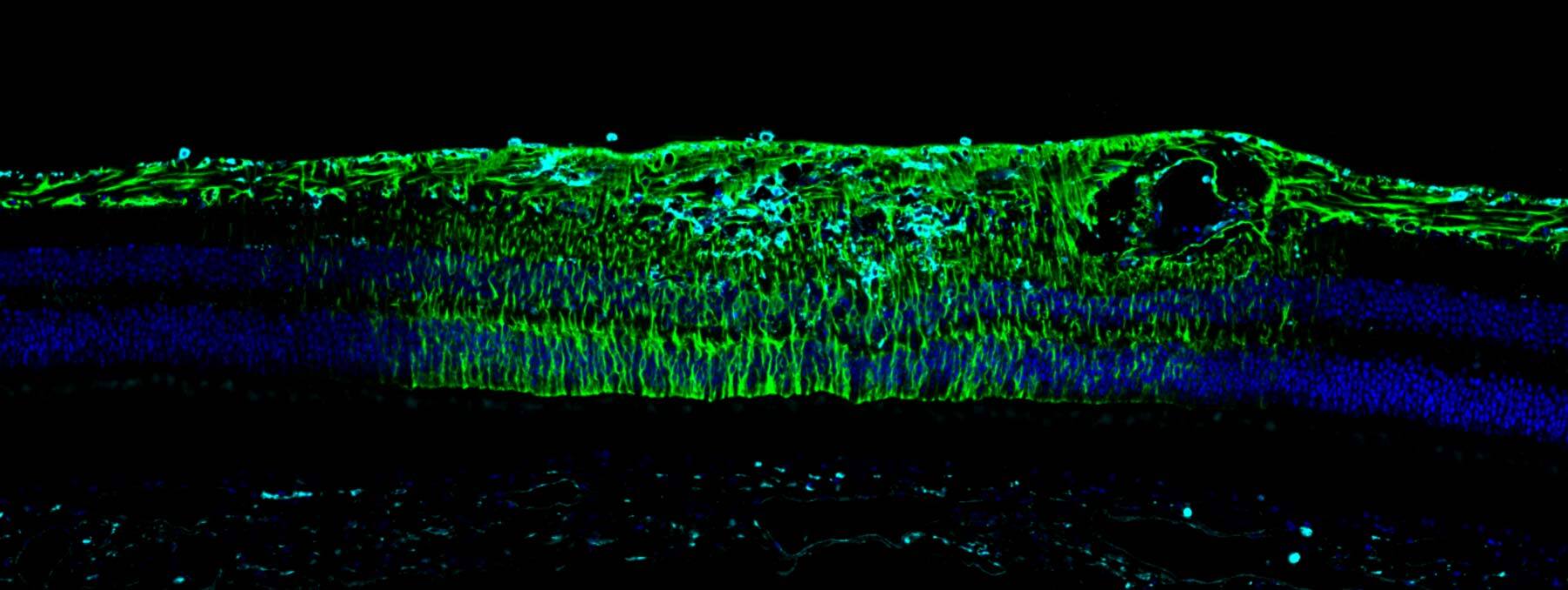
Discovery Histopathology
- Target distribution and indication selection
- Tissue distribution of AAVs, EVs, lipid nanoparticles, other viral and non-viral vectors, stem cells, therapeutic antibodies, tag proteins (GFP, RFPs, FLAG, V5, HA)
- Rigorous immunohistochemistry assays development using 20+ tissue matrices correlated with single cell RNA-Seq and public omic databases
- Model characterization, validation and efficacy assessment referencing established historical control databases
Toxicologic Histopathology
- Non-GLP and GLP nonclinical safety primary interpretation and peer-reviews in African green monkey, cynomolgus monkey, mouse, rat, dog, pig, human, and other test systems
- Mechanistic toxicology, including companion molecular methods (RNA-Seq, western blot, qRT-PCR, ELISA)
- Briefing books and IND authoring, representations at Type C meetings, and responses to FDA comments
Histopathology Tools
- Specialty and customized trimming of complex tissues (e.g., eye, kidney, heart, brain)
- Processing to paraffin and frozen sections
- Extended catalog of special stains
- Whole mount immunohistochemistry (IHC)
- Extended catalog of optimized immunohistochemistry assays
- In situ hybridization
- Multiplex IHC
- Duplex IHC/ISH
- Duplex ISH
- Visiopharm image analysis with AI app development
- Secured digital histology platform (Concentriq for Research)
- Data integration of clinical pathology, circulating and tissue biomarkers, omics, and in vivo readouts
- Custom tissue microarray assembly including cell pellets and tissues
- Western blots, ELISA, qRT-PCR
- Nonhuman primate tissues of diverse age with and without test article exposure
- In-house quality assurance unit (QAU) supports GLP studies accommodating .svs, .mrxs, .ndpi, and other Visiopharm supported file formats
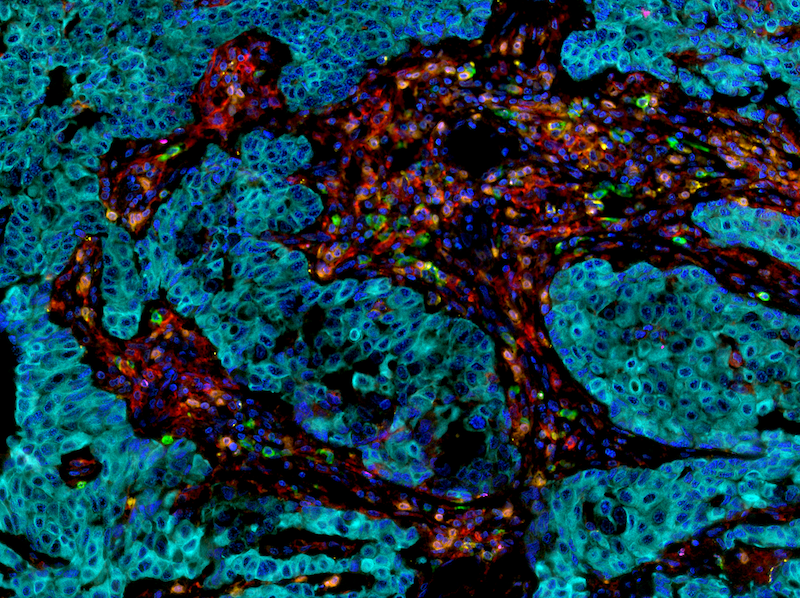
Multiplex IHC
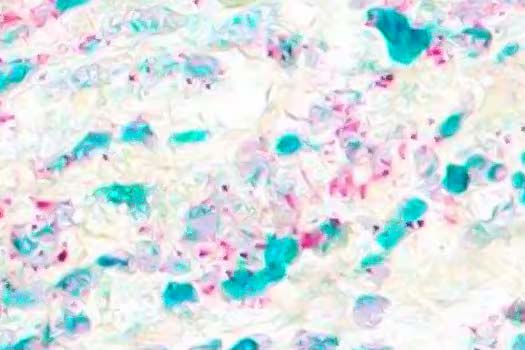
Duplex IHC/ISH
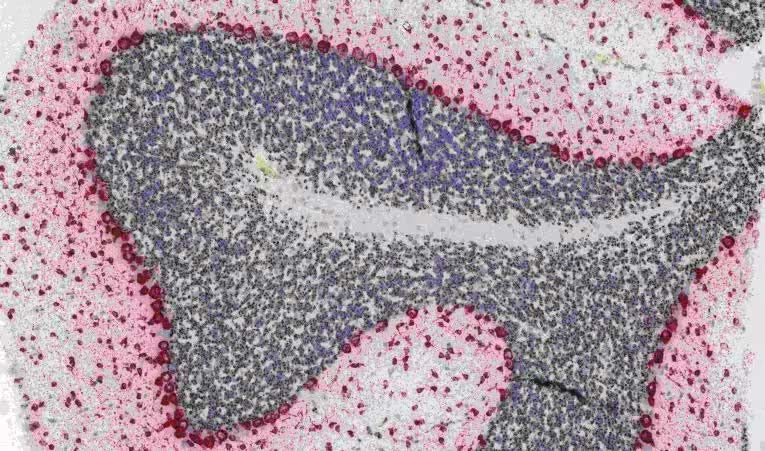
Duplex ISH
Have questions about our histopathology platform?
We are ready to solve your translational need and accelerate your path to clinical success.
Molecular Biology
Custom method development and validation
- Bespoke method and test system development and validation to achieve data objectives building on portfolio of established assays
- Analysis of all tissue types, including liver, spleen, kidney, brain, eye, and difficult to process organs
High-throughput tissue sample processing
- DNA, RNA and protein isolation from tissue, blood, biofluids and cultured cells
- Isolation and quantification using Agilent 2100, Spectra Max, Qubit, and Nanodrop
Biodistribution assays
- Custom biodistribution assay development for multiple tissues, including heart, liver, brain, and eye
- Sample analysis using qPCR and ddPCR for WPRE, ITR2, GAPDH, TERT, GFP, Beta-ACTIN
ELISA assays
-
Validation of custom or commercially available ELISA assays and sample analysis
Primary cell isolation
- Isolation of PBMCs, hepatocytes, fibroblasts and other cell types

Gene expression profiling
- Comprehensive DNA and RNA quantification, quality assessment and stability analysis
- Expression profiling for study specific genes and genes of common interest (e.g., LIF, LEPTIN, CNTF, IL6, GFAP, C3, VIMENTIN, RLBP1, FGF2, EDN2, TNF)
- Absolute and relative quantification through qPCR and ddPCR
- Bulk RNA-Seq
- Single cell sequencing
Western blots
- Method development, assay validation, and high throughput analysis for study specific proteins and proteins of common interest (e.g., MAPT, NEFL, GFAP, VIMENTIN, TUBULIN, C3, and Beta-ACTIN)
Tissue dissociation and library preparation for single cell sequencing
- Single cell dissociation and library preparation for PBMC, CNS, retinal and other cell types for Parse and 10x Genomics sequencing protocols
Data capture and reporting
- Robust program management and electronic data capture to meet documentation, regulatory, and timeline needs
Have questions about our molecular research capabilities?
We are ready to solve your translational need and accelerate your path to clinical success.
Third Party Collaborators & CRO Partners
Virscio regularly works with qualified specialty laboratories and consultants to execute elements of the research plan not conducted directly by Virscio. Site or consultant qualification is performed by Virscio’s senior scientists and quality assurance unit, and clients benefit from our network of established research service providers, spanning bioanalysis to regulatory guidance.
Specimen shipment for analysis at third party or sponsor laboratories is achieved through a well-established, temperature-controlled chain of custody with full tracking and logistical support from Virscio to recipient.
VIRSCIO RESEARCH SERVICES
Frequently Asked Questions
What are the routes of administration that can be evaluated in the African green monkey?
What are the routes of administration that can be evaluated in the African green monkey?
What are the clinical endpoints that can be evaluated in the African green monkey?
What are the clinical endpoints that can be evaluated in the African green monkey?
What are the analytical endpoints that can be evaluated in the St. Kitts green monkey?
What are the analytical endpoints that can be evaluated in the St. Kitts green monkey?
What approaches are taken to establishing bridging studies and data to allow transitioning translational studies to the green monkey?
What approaches are taken to establishing bridging studies and data to allow transitioning translational studies to the green monkey?
What endpoints can be evaluated in St. Kitts?
What endpoints can be evaluated in St. Kitts?
What is the infectious disease response relative to other in vivo research models?
What is the infectious disease response relative to other in vivo research models?
Translational research starts with selecting the right platform.
